The modern university experience is no longer confined to lecture halls and library stacks. Today’s undergraduate environment demands a high degree of multifaceted engagement, pushing ambitious students to step into leadership roles, head student societies, and act as the public faces of their academic communities. While these positions offer invaluable preparation for the global corporate arena, they simultaneously introduce a compounding dual pressure: navigating intense public speaking anxiety while managing an unyielding, heavy coursework load.
For many student leaders, the transition from writing analytical essays to delivering persuasive oral presentations is fraught with psychological friction. The skills required to excel in written academics do not automatically translate to the podium. When the demand to represent a peer group coincides with midterms or major project deadlines, the resulting cognitive overload can compromise both a student’s mental well-being and their grade point average. To survive and thrive in this dual-track environment, undergraduates must evolve from simple multi-taskers into strategic project managers who understand the value of academic delegation.
Managing multiple high-stakes responsibilities requires a clear assessment of where to focus your personal energy and when to leverage external academic resources. When a student leader is tasked with organizing campus campaigns, chairing committee meetings, or presenting research at regional conferences, their available study hours shrink dramatically. During these high-pressure periods, trying to execute every single research paper independently can lead to burnout. Seeking professional assignment help becomes a pragmatic strategy to stabilize your academic foundation, ensuring that core coursework meets strict institutional standards while your primary focus is directed toward live leadership responsibilities.
The Cognitive Load of Student Representation
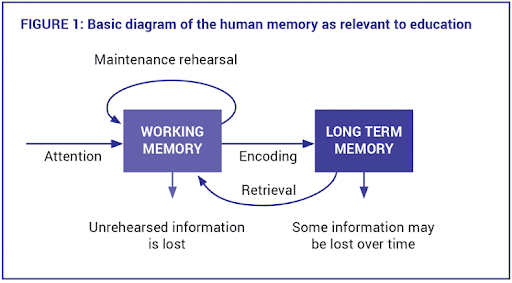
To understand why balancing leadership and academics feels so overwhelming, it is helpful to look at Cognitive Load Theory. Our working memory has a finite capacity. When you are learning complex new academic material—such as advanced statistical analysis, legal precedents, or organic chemistry structures—your brain uses a significant amount of mental bandwidth.
When you layer public speaking requirements on top of that coursework, the cognitive load spikes. Public speaking triggers a physiological stress response in up to 75% of the population, commonly known as glossophobia. The anxiety of preparing an address, worrying about audience reception, and practicing delivery consumes the same mental energy needed to analyze and write complex academic papers.
[Total Cognitive Bandwidth]
│
├─► Core Coursework (Lectures, Reading, Lab Reports)
├─► Leadership Duties (Meetings, Event Planning, Admin)
└─► Public Speaking Anxiety (Drafting Speeches, Rehearsal, Stress)
└─── Overload Threshold: When these three exceed capacity, performance drops.
When your total cognitive bandwidth is exceeded, something has to give. Often, it is the quality of the written coursework or the effectiveness of the public presentation. High-achieving undergraduates frequently fall into the trap of thinking they must do everything themselves, viewing delegation as a sign of weakness rather than an operational tool used by successful executives worldwide.
Strategic Delegation: The Time-Utility Matrix
To maintain structural balance, student leaders can categorize their daily and weekly responsibilities using a Time-Utility Matrix. This framework divides academic and leadership tasks based on their public visibility and their core educational value.
| Task Category | Description | Recommended Operational Strategy |
| High Visibility / High Value | Keynote speeches, major presentations, core degree examinations. | Personal Execution: Direct maximum personal energy and focus here. |
| High Visibility / Low Value | Routine campus announcements, standard introductory remarks. | Systemize or Automate: Use pre-existing templates or structured outlines. |
| Low Visibility / High Value | Deep-dive research, capstone projects, laboratory data analysis. | Independent Focus: Dedicate uninterrupted, isolated study blocks. |
| Low Visibility / Low Value | Repetitive writing tasks, formatting bibliographies, initial drafting. | Strategic Delegation: Leverage academic support services to save time. |
By mapping out your semester using this matrix, you can identify which tasks require your absolute, undivided personal attention and which tasks can be streamlined or supported through external assistance.
Overcoming Presentation Anxiety and Speech Development
Public speaking anxiety is rarely caused by a lack of knowledge; instead, it stems from the fear of unexpected performance failure in front of peers and mentors. The key to mitigating this fear is thorough preparation and structural confidence. If you know your script is flawless, your physiological anxiety drops significantly.
However, writing a spoken address requires an entirely different rhetorical style than writing an academic essay. Academic writing is structured for the eye—it uses long, complex sentences and dense passive verbs. Speechwriting is structured for the ear—it requires short, punchy sentences, active verbs, vivid transitions, and strategic pauses.
Academic Writing (For the Eye) ──► Complex sentences, passive voice, dense data.
Speechwriting (For the Ear) ──► Punchy phrasing, active voice, rhythmic pauses.
When you are buried under a mountain of weekly assignments, finding the quiet mental space to craft a moving, rhythmic speech is incredibly difficult. This is exactly where professional academic writing services step in to bridge the gap. Instead of stumbling through the writing process while stressed, you can pay someone to write my speech through specialized services by MyAssignmentHelp to receive a custom-tailored, structurally sound manuscript designed specifically for oral delivery. This allows you to bypass the agonizing drafting phase and focus your remaining energy entirely on mastering your vocal pacing, body language, and stage presence.
Deconstructing the Craft of Oral Persuasion
An effective speech relies heavily on the classic rhetorical triangle established by Aristotle: Ethos (credibility), Pathos (emotional connection), and Logos (logical argument).
- Establishing Ethos: Within the first sixty seconds, the audience must understand why you are qualified to speak on the topic. For an undergraduate leader, this means speaking from a place of shared student experience rather than detached authority.
- Evoking Pathos: Data alone rarely changes minds in a live setting. A successful presentation weaves in narratives, relatable campus challenges, and shared aspirations that resonate with the audience’s daily lives.
- Deploying Logos: Your core argument must be supported by clear, logical steps. Avoid overwhelming listeners with a barrage of raw numbers; instead, present three distinct, memorable takeaways that they can easily recall after leaving the room.
When these three elements are balanced correctly, your presentation gains structural integrity, making it much easier to deliver confidently, even if you struggle with natural nervousness.
Practical Steps to Reduce Stage Anxiety
Beyond strategic delegation and professional script preparation, you can manage the physical symptoms of performance anxiety—such as an elevated heart rate or a shaking voice—by practicing specific situational techniques before stepping up to the podium:
- The 4-7-8 Breathing Technique: Inhale through your nose for 4 seconds, hold your breath for 7 seconds, and exhale slowly through your mouth for 8 seconds. This practice regulates your nervous system and lowers your heart rate.
- The First 30 Seconds Mastery: Memorize the opening half-minute of your presentation word-for-word. Once you get past the initial launch without a hitch, your natural momentum builds, and your baseline anxiety drops.
- Focus on Focal Points: Instead of staring directly into the eyes of intimidating audience members, identify three neutral points in the room—such as the back wall or empty chairs—and rotate your gaze between them to simulate natural eye contact.
Building a Sustainable Academic Routine
True academic leadership is not about working until exhaustion; it is about managing your limited resources effectively. By treating your academic journey like a professional organization, you learn to protect your time, prioritize high-impact projects, and utilize expert writing assistance when your schedule reaches its absolute limit.
Delegating the initial drafting of a speech or seeking structural support for complex coursework modules isn’t a shortcut—it is an intelligent optimization strategy. This balanced approach ensures you can deliver powerful public performances on campus while keeping your academic record spotless, setting a strong precedent for your future professional career.
Frequently Asked Questions (FAQ)
Q.1 How can I tell if my coursework load is impacting my leadership capabilities?
Ans: If you consistently miss society deadlines, feel unprepared during chair meetings, or find yourself skim-reading core course modules just to get by, your cognitive load is too high. This is a clear indicator that you need to rebalance your schedule and delegate routine writing tasks.
Q.2 Is using an academic writing service considered a normal part of student time management?
Ans: Yes. Many high-achieving student leaders, working professionals, and student athletes utilize professional academic support services to handle heavy research, formatting, and structural drafting. This allows them to maintain high editorial standards without compromising their practical, on-campus commitments.
Q.3 What is the quickest way to adapt a written essay into a spoken presentation?
Ans: To turn an essay into a speech, cut your average sentence length in half, replace complex jargon with conversational terms, and insert explicit transition phrases (like “Now let’s look at…” or “This matters because…”) to guide your listeners through the argument.
About The Author
I am Mark Hales, an academic consultant and student welfare strategist working with MyAssignmentHelp. With a decade of experience in higher education trends, I specialize in helping undergraduates balance heavy coursework with active leadership roles.